Come January, the Dordogne empties of visitors and fills with something better: the earthy, unmistakable scent of black truffles drifting through the medieval streets of Sarlat.
If you only know Sarlat-la-Canéda from a summer postcard, you have never really met it. In July the honey-colored streets are shoulder to shoulder with day-trippers. In January they belong to the people who live here, to the cooks and the farmers, and to anyone willing to pull on a wool coat and follow their nose to the market.
Sarlat is the beating heart of the Périgord Noir, the part of the Dordogne named not for any darkness but for the dense oak forests where the famous black truffle, Tuber melanosporum, grows underground in a quiet partnership with the tree roots. Winter is its season. From December through February the truffle markets open, and the most atmospheric of them all unfolds here.
The Saturday truffle market
The main event is the Saturday morning market, with a dedicated truffle market running through the winter season. Vendors arrive with baskets kept deliberately closed, and the moment a lid lifts the smell tells you everything. Buyers lean in, inhale, weigh a single knobby truffle in their palm and haggle quietly. Prices are real, often several hundred euros a kilo, because the real thing is rare and the season is short.
You do not have to buy a whole truffle to take part. Half the pleasure is simply standing in the crowd, watching a centuries-old transaction happen exactly as it always has, then ducking into a café where the day's truffle finds its way onto a plate of soft scrambled eggs.
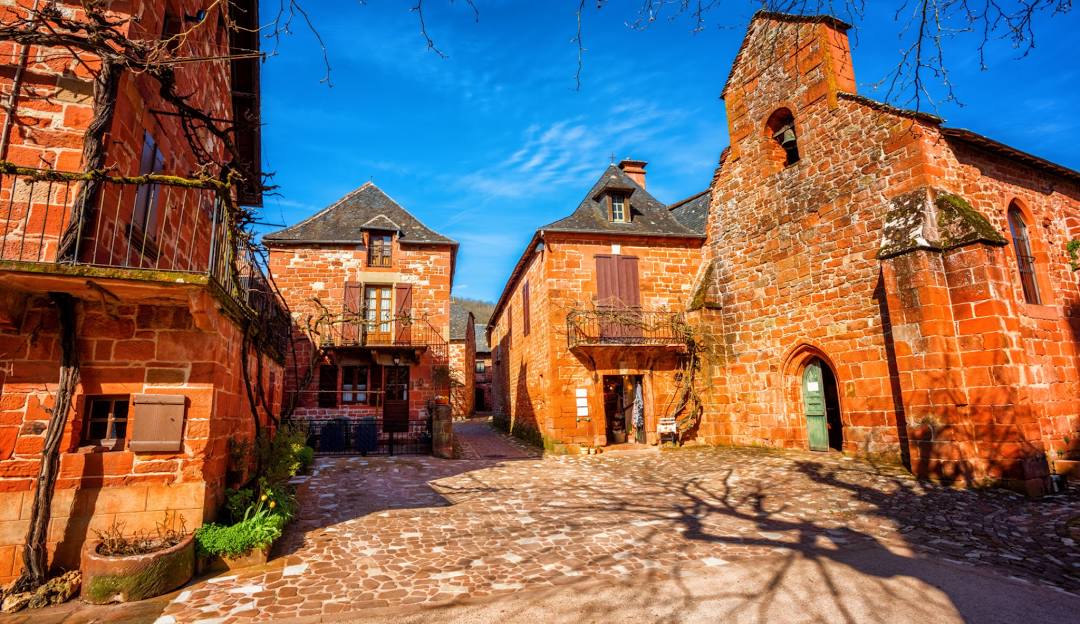
Medieval streets without the crowds
With the summer coaches gone, Sarlat's old town becomes one of the most rewarding walks in France. The town holds one of the highest concentrations of medieval and Renaissance buildings anywhere in the country, and in winter you can actually see them: the sandstone facades, the steep lauze-tiled roofs, the little courtyards that open off the lanes. Bundle up, take it slowly and let yourself get pleasantly lost.
What winter in the Dordogne tastes like
Truffles are only the beginning. Winter is also walnut season made into oil, cake and the local vin de noix. It is duck in every form, hearty pommes de terre sarladaises cooked in duck fat, and dark, warming reds from nearby Cahors. The cooking here was built for cold weather, and January is when it makes the most sense.
Is winter a good time to visit the Dordogne?
For the markets, the food and the quiet, yes. Days are short and some smaller sights keep reduced hours, so it suits a slow, food-led trip more than a packed sightseeing itinerary. For walking the trails and long golden afternoons in the villages, our own season of choice is October, when the weather is still kind and the autumn harvest is in full swing. You can read why on our FAQ page, and see how a week with us unfolds on the itinerary.
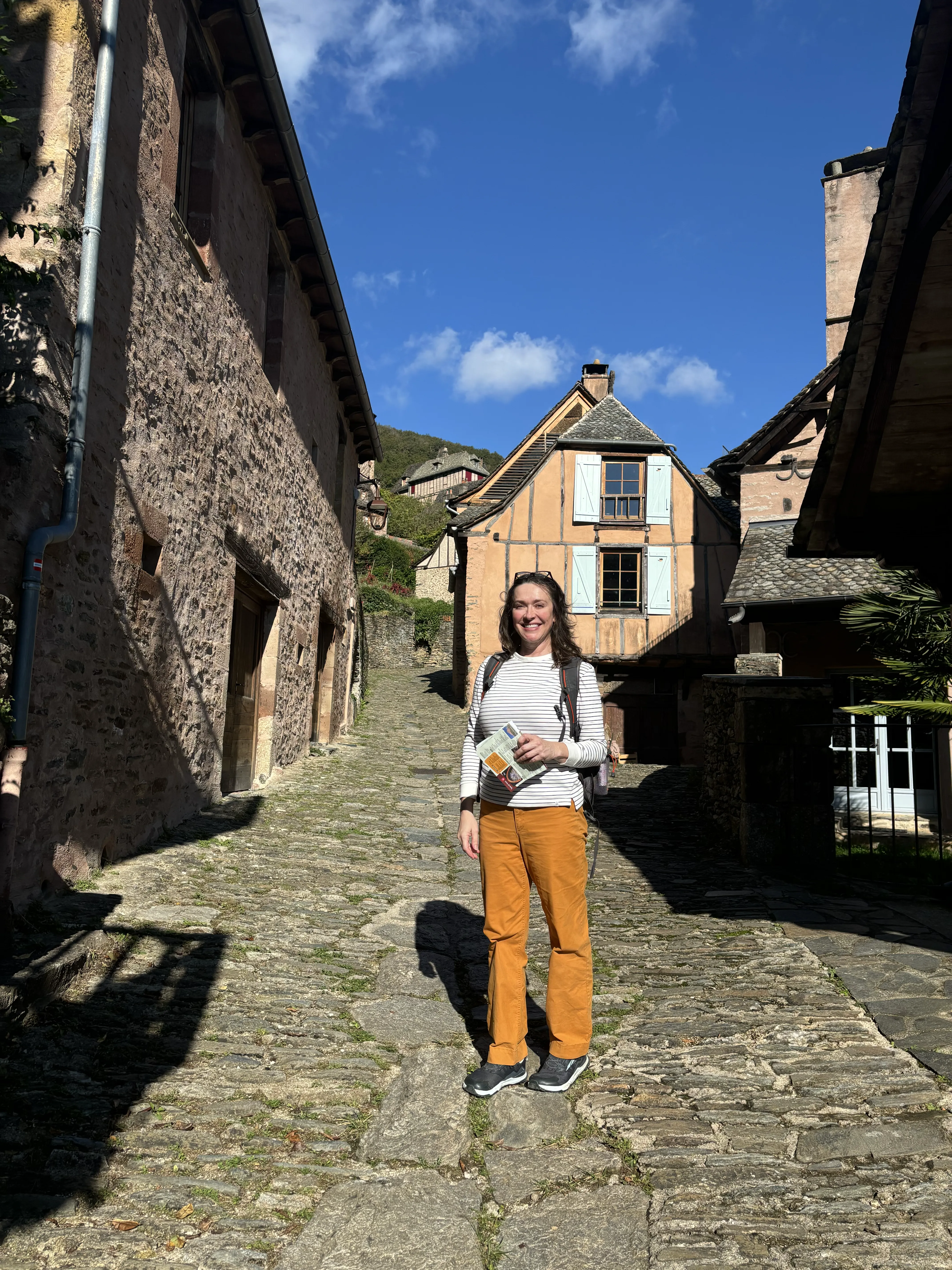
Founder and guide, We Wander France. Read her story.